Remote Adventure Lodge

Lower Mustang High-altitude Lodge

A resilient lodge for high-desert journeys, local context and weather-led contingency.

Location image attribution & licence
Location contextMustang
Concept typeRemote Adventure Lodge
Test-fit band20-35 keys
StatusPlanning hypothesis
Concept only - not a live development or investment offer

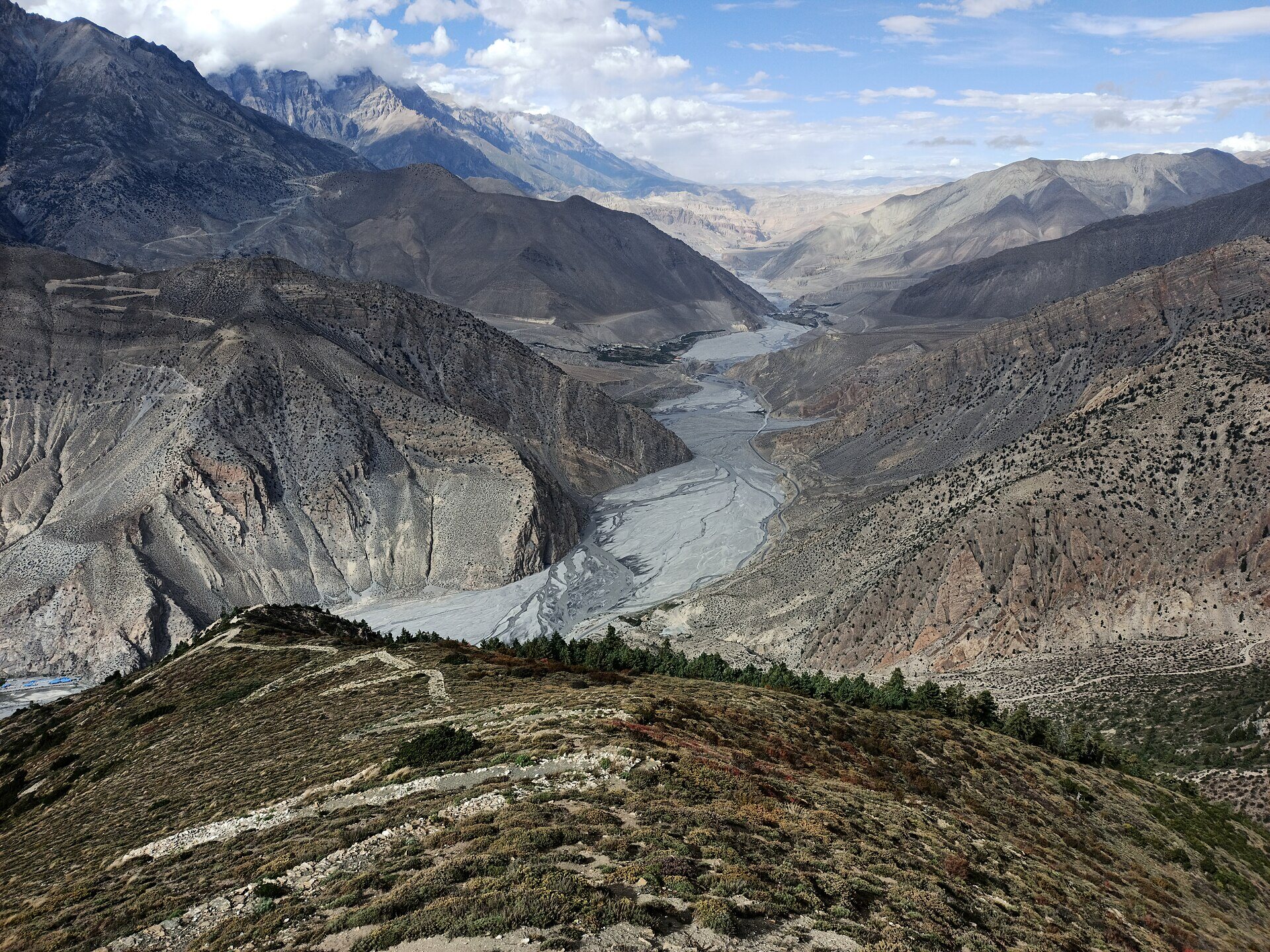
No land ownership, site control, approval, funding, valuation, return, construction cost or opening date is represented. The image shows location context, not a proposed site or design.

Concept Intent

A programme with a reason.

The building is compact and sheltered, with a strong thermal core, flexible dining, equipment areas and staff accommodation. It does not blur Lower Mustang with restricted Upper Mustang.

Starting guest hypothesisexperienced cultural travellers, photographers and small active groups
Demand Hypothesis

What evidence must prove - or change.

A high-quality Lower Mustang lodge may extend shoulder-season consideration if access, altitude suitability, supply chain, staffing and year-round systems are evidenced.

Area Brief

Four programme pillars

These define planning intent, not a final schedule of areas.

01

20-35 thermally efficient rooms

02

Hearth lounge, flexible dining and route briefing space

03

Equipment, drying, first-response and guide facilities

04

Staff housing, stores, workshop and resilient utilities
Site Gate

Five checks before concept design

01

Confirm exact altitude, permits, land status and community context.

02

Model road, flight, weather and emergency access contingencies.

03

Test passive solar, insulation, wind, water and wastewater systems.

04

Plan food, fuel, linen, maintenance and staffing supply chains.

05

Validate operating season and traveller fitness expectations.

Delivery Logic

Four evidence gates

Gate 01

Evidence brief

A written go, pause or reshape decision.

Title, access, planning controls, demand interviews, competitor set and first operating assumptions.

Gate 02

Test fit

A site-led key count and area schedule.

Survey, contours, climate, utilities, circulation, room modules and the high-altitude lodge guest journey.

Gate 03

Design and commercial freeze

A coordinated scope before procurement.

Architecture, structure, services, interiors, landscape, cost plan, approvals map and operator requirements.

Gate 04

Delivery and opening

A controlled build-to-operation handover.

Packages, quality gates, commissioning, staffing, systems, sales readiness and post-opening defect close-out.

Early Risk Register

Make uncertainty visible.

This short register is a starting point only. Project advisers must expand, own and monitor it.

  • Altitude and access under-disclosure
  • Short operating season
  • Remote maintenance failures
  • Imported design disconnected from local context
Mustang landscape context for hospitality planning
Destination Evidence

Why Mustang changes the brief

Mustang is a dramatic trans-Himalayan region of arid valleys, Tibetan-influenced culture and sensitive high-altitude journeys, ranging from Lower Mustang to restricted Upper Mustang. Access context: Most itineraries route through Pokhara and Jomsom by air or road; weather, permits and road conditions can materially change plans.

Review complete location profile
12 Clear Answers

Concept planning FAQs

Is the Lower Mustang High-altitude Lodge a live project?

No. It is a planning concept for Mustang, not a land listing, approved development, investment offer or operating hotel.

Why is the concept located in Mustang?

The published destination context helps frame access, season and guest purpose. A real site must independently prove title, boundaries, permissions, services and commercial suitability.

Is 20-35 keys the approved size?

No. It is an early test-fit band. The viable count may be lower or higher after survey, planning, site capacity, circulation, demand, cost and operator review.

Who is the intended guest?

The starting hypothesis considers experienced cultural travellers, photographers and small active groups. Current interviews, booking data and competitor evidence must confirm or change it.

Does the page guarantee demand or returns?

No. The demand statement is a hypothesis, and no rate, occupancy, profit, valuation or return is promised.

What should be checked before architecture begins?

Verify ownership, survey, access, planning controls, site risks, utilities, environmental requirements, market evidence and an initial operating brief.

Can this concept be used on my land?

Possibly, but it should not be copied without a site-specific test fit. Save it and use the Development Workspace to identify what must be assessed.

Are the location images proposed designs?

No. They show geographic context and are fully attributed. They do not depict a site, building design or promised view.

How long would development take?

No reliable duration can be stated without approvals, design scope, procurement strategy, site logistics, finance and construction evidence.

Can Valley & Views estimate construction cost?

The separate estimator can structure an early area-based range, but it is not a quotation and must be replaced by project-specific quantity and market evidence.

What risks are already identified?

The page highlights four concept-specific risk flags as a starting register. Legal, technical, environmental, commercial and operational advisers must expand it.

What happens after I enquire?

The selected concept, location and key band are included for human review. The enquiry creates no approval, contract, quotation or payment.

Other Hypotheses

Related Nepal concepts