Destination Wellness

Dhulikhel Integrative Wellness Sanctuary

A programme-first wellness sanctuary combining private rooms, guided routines and Himalayan hill context.

Location image attribution & licence
Location contextDhulikhel
Concept typeDestination Wellness
Test-fit band30-50 keys
StatusPlanning hypothesis
Concept only - not a live development or investment offer

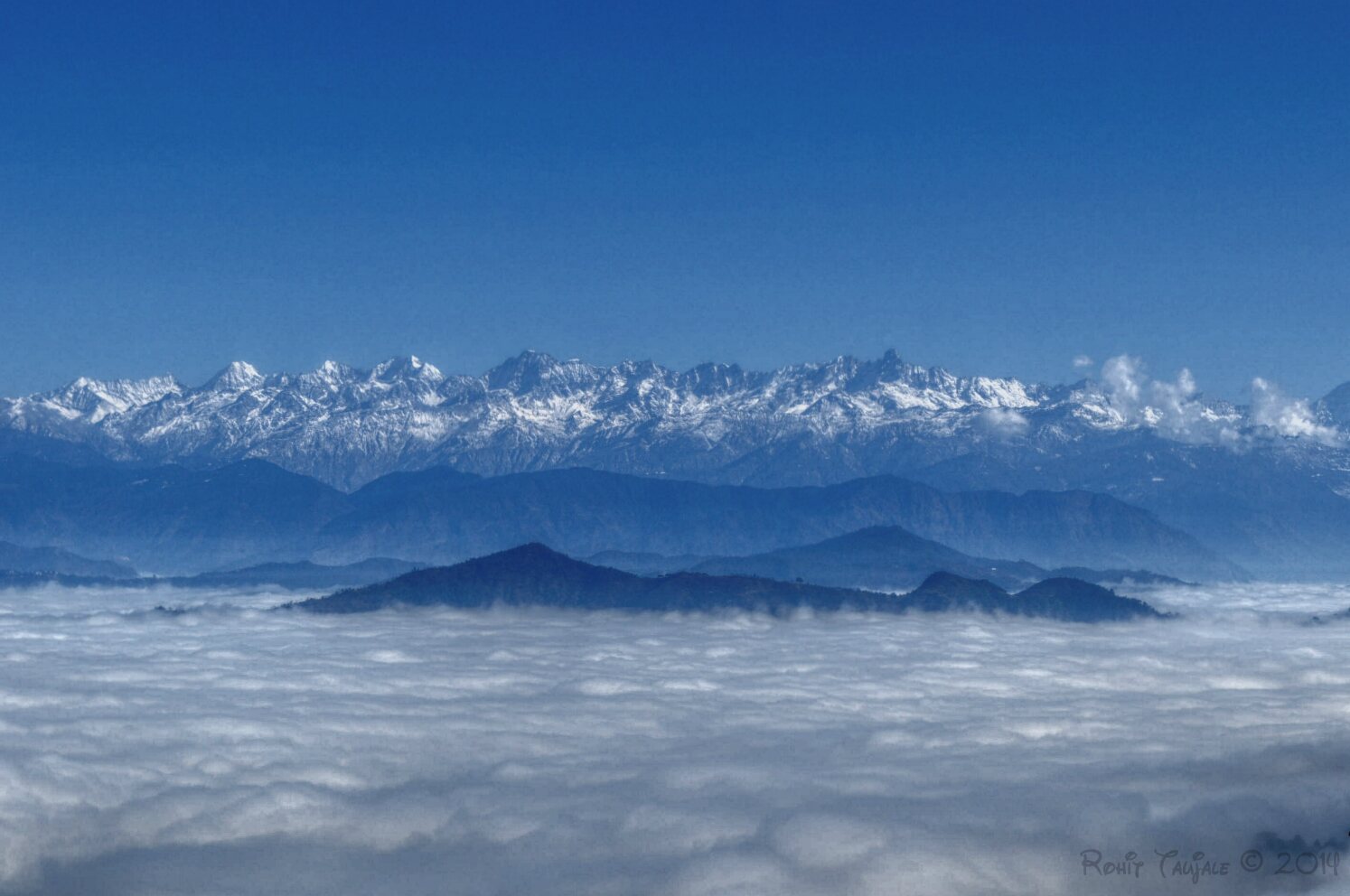
No land ownership, site control, approval, funding, valuation, return, construction cost or opening date is represented. The image shows location context, not a proposed site or design.

Concept Intent

A programme with a reason.

The masterplan prioritises quiet gradients - from arrival and consultation to movement, treatment, dining and rooms. Medical or therapeutic claims are excluded unless appropriately licensed and evidenced.

Starting guest hypothesiswellness travellers, restorative small groups and guests seeking structured three- to seven-night stays
Demand Hypothesis

What evidence must prove - or change.

A destination programme may extend stay length if qualified practitioners, referral channels, safe operating protocols and repeatable guest outcomes are demonstrated without unsupported health claims.

Area Brief

Four programme pillars

These define planning intent, not a final schedule of areas.

01

30-50 quiet rooms with inclusive layouts

02

Consultation, treatment, movement and hydrothermal programme

03

Nutrition-led kitchen, teaching table and garden connection

04

Staff learning, laundry, service and practitioner support spaces
Site Gate

Five checks before concept design

01

Verify land, slope, water, access and environmental constraints.

02

Define programme, practitioner qualifications and clinical boundaries.

03

Test room nights against realistic programme cohorts and seasonality.

04

Model wet-area engineering, hygiene, maintenance and energy demand.

05

Confirm neighbour, sound, lighting and landscape protections.

Delivery Logic

Four evidence gates

Gate 01

Evidence brief

A written go, pause or reshape decision.

Title, access, planning controls, demand interviews, competitor set and first operating assumptions.

Gate 02

Test fit

A site-led key count and area schedule.

Survey, contours, climate, utilities, circulation, room modules and the destination wellness sanctuary guest journey.

Gate 03

Design and commercial freeze

A coordinated scope before procurement.

Architecture, structure, services, interiors, landscape, cost plan, approvals map and operator requirements.

Gate 04

Delivery and opening

A controlled build-to-operation handover.

Packages, quality gates, commissioning, staffing, systems, sales readiness and post-opening defect close-out.

Early Risk Register

Make uncertainty visible.

This short register is a starting point only. Project advisers must expand, own and monitor it.

  • Unsupported wellness outcomes
  • Facility scale exceeding programme demand
  • High wet-area operating cost
  • Underplanned staff and practitioner accommodation
Dhulikhel landscape context for hospitality planning
Destination Evidence

Why Dhulikhel changes the brief

Dhulikhel combines a historic Newari town, Himalayan-view ridges and a growing wellness-retreat identity within road reach of Kathmandu. Access context: Reached by road from Kathmandu; exact time changes with traffic, stops and resort position.

Review complete location profile
12 Clear Answers

Concept planning FAQs

Is the Dhulikhel Integrative Wellness Sanctuary a live project?

No. It is a planning concept for Dhulikhel, not a land listing, approved development, investment offer or operating hotel.

Why is the concept located in Dhulikhel?

The published destination context helps frame access, season and guest purpose. A real site must independently prove title, boundaries, permissions, services and commercial suitability.

Is 30-50 keys the approved size?

No. It is an early test-fit band. The viable count may be lower or higher after survey, planning, site capacity, circulation, demand, cost and operator review.

Who is the intended guest?

The starting hypothesis considers wellness travellers, restorative small groups and guests seeking structured three- to seven-night stays. Current interviews, booking data and competitor evidence must confirm or change it.

Does the page guarantee demand or returns?

No. The demand statement is a hypothesis, and no rate, occupancy, profit, valuation or return is promised.

What should be checked before architecture begins?

Verify ownership, survey, access, planning controls, site risks, utilities, environmental requirements, market evidence and an initial operating brief.

Can this concept be used on my land?

Possibly, but it should not be copied without a site-specific test fit. Save it and use the Development Workspace to identify what must be assessed.

Are the location images proposed designs?

No. They show geographic context and are fully attributed. They do not depict a site, building design or promised view.

How long would development take?

No reliable duration can be stated without approvals, design scope, procurement strategy, site logistics, finance and construction evidence.

Can Valley & Views estimate construction cost?

The separate estimator can structure an early area-based range, but it is not a quotation and must be replaced by project-specific quantity and market evidence.

What risks are already identified?

The page highlights four concept-specific risk flags as a starting register. Legal, technical, environmental, commercial and operational advisers must expand it.

What happens after I enquire?

The selected concept, location and key band are included for human review. The enquiry creates no approval, contract, quotation or payment.

Other Hypotheses

Related Nepal concepts